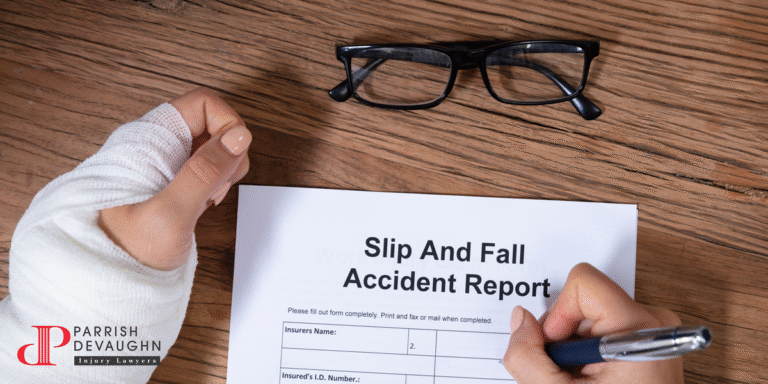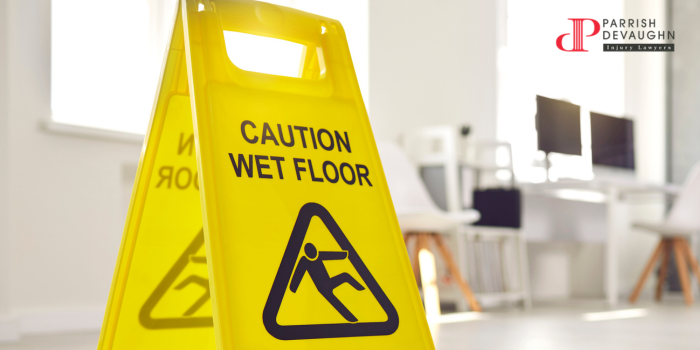
Slip-and-fall accidents can happen anywhere: a grocery store aisle, a restaurant bathroom, or an icy parking lot. Most victims assume that filing a claim with the property owner’s insurance company will result in fair compensation for their injuries and expenses. Unfortunately, that’s rarely how it works.
Reach out to our experienced team as soon as possible if you’ve been injured. We’ll help you preserve evidence, deal with their insurer, and fight for the full compensation you deserve.
Insurance companies have one goal: to minimize payouts. As soon as they’re notified of a slip-and-fall accident, their adjusters and attorneys work to protect their bottom line, not your recovery. Knowing their common tactics can help you stay one step ahead.
1. Blaming the Victim
One of the first strategies insurers use is shifting blame onto the injured person. They might argue that you weren’t paying attention, ignored warning signs, or wore inappropriate footwear.
For example, if you slipped on a wet floor, an adjuster might claim the hazard was open and obvious, meaning any reasonable person would have noticed it. Under Oklahoma’s modified comparative negligence law, your compensation can be reduced or even denied if you’re found partially at fault for your accident.
How to Protect Yourself: Document the scene as soon as possible. Take photographs or videos of the hazard, lighting conditions, footwear, and any missing warning signs. These details can make a difference when proving liability later.
2. Downplaying Your Injuries
Even when liability is clear, insurance adjusters often try to minimize the seriousness of your injuries. They might suggest that your pain is exaggerated, unrelated to the fall, or due to a preexisting condition.
It’s a common tactic to reduce your medical payout. They know that connecting your injuries to the fall is harder without strong medical documentation.
How to Protect Yourself: Always seek medical care right after an accident, even if you feel fine. Some injuries, like concussions, soft tissue damage, or spinal injuries, can take days or weeks to appear. Medical records created soon after the fall serve as powerful evidence linking your injuries to the accident.
3. The “Quick Settlement” Trap
Many victims face immediate stress after a slip-and-fall, including medical bills, lost wages, and uncertainty about recovery. Insurance adjusters know this and may offer a fast settlement that seems helpful at first glance.
However, these early offers are usually far below what your claim is worth. They’re made before you’ve completed medical treatment or fully understand the long-term costs of your injuries, such as physical therapy or future surgeries.
How to Protect Yourself: Never sign anything or accept a settlement before consulting an attorney. You typically can’t reopen your claim once you agree to a payout, even if new complications arise.
4. Using Recorded Statements Against You
Another common tactic is asking you to provide a recorded statement to clarify what happened. It may sound routine, but these conversations are designed to catch you off guard. Adjusters are trained to ask leading questions or take your words out of context to weaken your claim.
Something as simple as saying “I didn’t see the spill” or “I’m feeling better” can later be twisted into evidence that you weren’t careful or seriously injured.
How to Protect Yourself: Politely decline to give a recorded statement without legal representation. An attorney can handle all communication with the insurer to ensure that nothing you say can be used against you.
5. Questioning Liability Through Open and Obvious Hazards
Insurance companies often claim that the hazard that caused your fall, like a cracked sidewalk or spilled liquid, was so visible that you should have avoided it. This open-and-obvious defense is used frequently in Oklahoma premises liability cases.
But reality isn’t always that simple. Lighting, distractions, crowding, or even display placement can make hazards difficult to notice. Property owners are still obligated to maintain safe conditions, regardless of whether a hazard was theoretically visible.
How to Protect Yourself: Collect witness statements, surveillance footage, and any available maintenance or incident reports. These details can counter the open-and-obvious defense and prove negligence.
6. Delaying or Ignoring Your Claim
Sometimes, insurers use delay as a weapon. They may drag out the investigation, lose paperwork, or fail to respond to calls, hoping you get frustrated, accept a low offer, and move on.
How to Protect Yourself: Keep detailed records of every interaction with the insurer, including dates and names of representatives you speak with. An attorney can hold the company accountable and push the process forward.
Why Getting Legal Help Matters
Insurance companies have experience, money, and a team of professionals. You deserve the same level of protection. A skilled attorney at Parrish DeVaughn Injury Lawyers can take over communication with insurers, gather evidence, and fight for the full compensation you deserve, including medical bills, lost wages, and pain and suffering.
Don’t let the property owner’s insurer pressure you into settling for less than you deserve. Contact us for a free case review, and let our experienced legal team protect your rights.