You may feel fine right after a car accident–adrenaline is high, and you assume that if you can walk away with only a few cuts and bruises, you avoided serious injury. But some of the most serious injuries after a crash are not immediately visible.
Traumatic brain injuries (TBIs) can develop gradually after a collision. Headaches, dizziness, confusion, or memory problems may only begin to be noticed hours or even days after the collision. Because these injuries affect the brain rather than bones or muscles, many people do not realize something is wrong until the effects begin interfering with their everyday life.
Even when symptoms seem mild at first, they should never be ignored. A brain injury can affect memory, concentration, mood, coordination, and many other essential functions.
If you or someone you love was involved in a crash and start noticing unusual physical, cognitive, or emotional changes, seeking medical care is critical. Speaking with a medical professional and consulting an experienced Oklahoma traumatic brain injury lawyer may also help protect both your health and your legal rights. Contact us today to schedule a free, confidential consultation.
How Brain Injuries Can Occur in a Car Accident
Many people assume a brain injury only happens when the head strikes something inside the vehicle, such as the dashboard, steering wheel, or window. While a direct blow can certainly lead to serious harm, it is not the only way these injuries can occur.
The violent force of a collision can cause the head to snap forward or backward. This rapid movement may cause the brain to shift inside the skull and strike its inner walls, disrupting normal brain function even when there are no visible signs of injury.
Because head trauma is not always obvious right away, it is important to monitor your health carefully after any accident. Warning signs may take time to appear, and early medical evaluation can help identify problems before they worsen.
Traumatic Brain Injury Symptoms After a Car Accident
TBIs can range from mild concussions to severe, life-altering conditions. The effects may vary depending on the severity of the injury and which areas of the brain are affected.
These injuries can produce a range of physical, cognitive, and emotional changes, including:
| Symptom | What It May Look Like |
| Headaches | Persistent or worsening headaches that begin after the crash. |
| Dizziness or Balance Problems | Feeling lightheaded, unsteady, or struggling to maintain balance. |
| Nausea or Vomiting | Ongoing nausea or repeated vomiting following the accident. |
| Changes in the Senses | Blurred vision, ringing in the ears, altered taste, or sensitivity to light or sound. |
| Loss of Consciousness | Brief blackout during the crash or shortly afterward. |
| Memory Problems | Difficulty recalling events around the accident or forming new memories. |
| Confusion or Difficulty Concentrating | Trouble focusing, thinking clearly, or completing routine tasks. |
| Mood Swings or Personality Changes | Irritability, anxiety, depression, or noticeable emotional changes. |
| Changes in Sleep Habits | Sleeping much more than usual, insomnia, or disrupted sleep patterns. |
| Weakness or Numbness in the Arms or Legs | Reduced coordination, unusual weakness, or numbness in the limbs. |
| Seizures | Convulsions or seizure activity in more serious cases. |
It may take hours or even days for these signs to appear after a collision, and they can change over time. Because traumatic injuries to the brain can worsen without proper treatment, any concerning symptoms should be evaluated by a medical professional.
Why Prompt Medical Care Matters
Seeking medical attention as soon as possible after a car accident is one of the most important steps you can take to protect your health. Even if you feel relatively normal after the crash, a doctor can check for signs of a traumatic brain injury that may not be immediately obvious.
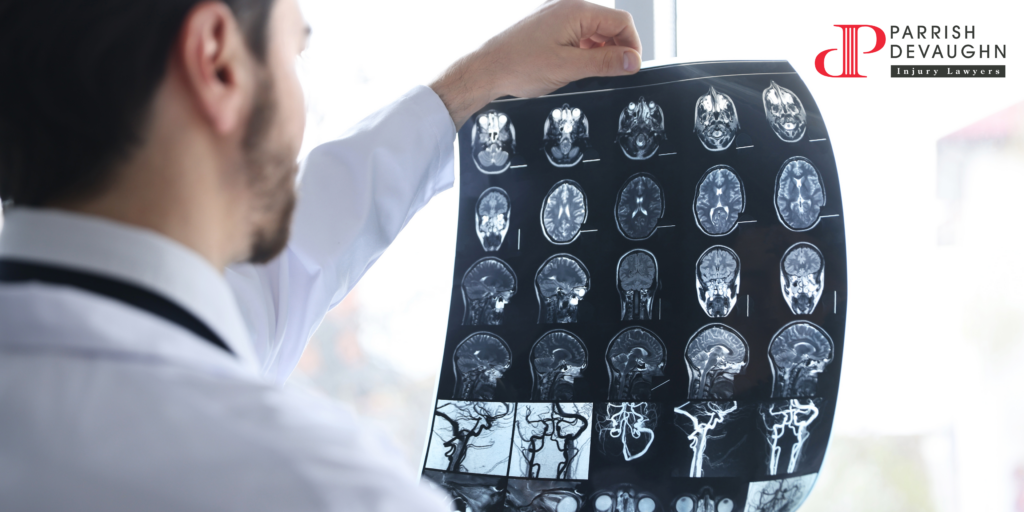
Doctors may perform neurological exams, imaging tests, and ongoing observation to determine whether the brain has been affected. Early diagnosis allows doctors to monitor symptoms, recommend appropriate treatment, and reduce the risk of more serious complications.
If you did not seek treatment right away, it is still important to schedule an appointment as soon as you notice any health concerns. Waiting too long can allow a brain injury to worsen and may also make it more difficult to link the injury to the accident later.
Documenting Changes After the Crash
Brain injuries often affect thinking, memory, and personality rather than causing obvious physical damage. Because these injuries can be difficult to see or measure, insurance companies sometimes question their severity, or even their existence. Keeping detailed records can help demonstrate how the injury affects your daily life and overall well-being.
Consider taking the following steps to document the impact of a TBI:
- Write down new symptoms as they appear, such as headaches, dizziness, difficulty concentrating, or memory problems.
- Track when symptoms occur and how they affect everyday activities, such as work, sleep, and routine tasks.
- Ask family members, friends, or coworkers to note behavioral or personality changes they observe.
- Keep copies of medical visits, diagnoses, imaging results, and treatment recommendations related to the injury.
Maintaining clear documentation can help healthcare providers better understand your condition and may also serve as important evidence if you pursue compensation after the accident.
Legal Support After a Brain Injury
Traumatic brain injuries can result in significant medical expenses, lost income, and long-term care needs. When these injuries affect a person’s ability to work or carry out daily activities, financial compensation can play an important role in rebuilding stability after a crash.
Unfortunately, many TBI victims accept settlements that fail to reflect the true long-term impact of their injuries. Insurance companies may question the severity of the injury, dispute whether the accident caused the condition, or pressure victims to settle quickly. Without guidance from an experienced Oklahoma car accident lawyer, responding to these tactics can be difficult.
At Parrish DeVaughn Injury Lawyers, we help injured clients pursue the compensation they deserve.
Our team can:
- Investigate the crash and preserve critical evidence
- Work with neurologists and other specialists to document the injury
- Handle communications with insurance companies
- Calculate long-term damages such as future care and lost earning capacity
By building strong cases supported by medical experts and detailed evidence, we work to ensure the full impact of a brain injury is recognized so our clients have the resources they need for treatment, rehabilitation, and long-term support.
Protect Your Health and Your Rights After a Brain Injury
A traumatic brain injury can affect memory, ability to work, emotional health, and daily independence. If you or a loved one may have suffered a brain injury after a crash, understanding your legal options is an important step toward protecting your future.
At Parrish DeVaughn Injury Lawyers, we represent accident victims across Oklahoma and have extensive experience handling complex brain injury claims. Our team pursues the compensation needed for medical treatment, rehabilitation, and future care.
Before accepting a settlement, it is important to understand the full impact of a brain injury. Contact our law firm for a free, confidential consultation to discuss your situation and learn how we may be able to help.